
Once dismissed as cheap and inferior, Chinese industry now sits at the heart of the global supply chain. China accounts for around 30% of worldwide manufacturing value added — nearly one third of the total. “Made in China” does not mean what it did twenty years ago. From finished consumer goods to highly specialised components, China has become integral to modern-day production.
Pharmaceuticals are no exception. If you buy raw materials in Europe or North America, there is a good chance that somewhere upstream sits China, India — or both. In the US, around 44% of API manufacturers are based in India and 22% in China, compared with only around 9% in the US.
India is also a major production hub for medicines, including peptide APIs, and even something manufactured there may begin with materials sourced elsewhere. So when someone asks, “Where do your peptides come from?”, the answer is rarely as simple as the country printed on the label. The better questions are: Who makes them — and how do they get to you?
WHO MAKES IT?
There is considerably less mystery here than the peptide universe sometimes likes to suggest. No, factories weren’t making kettles on Monday and Retatrutide on Tuesday, but established pharmaceutical manufacturers that already had reactors, chemists, infrastructure and experience working with complex molecules were doing exactly what any forward-looking operation would do: adding peptide capacity. And they did it fast. Major Chinese facilities expanded existing production in response to surging demand, because anyone paying attention could see the peptide train coming. Some bought their tickets before the rest of the world had even found Platform 9¾ — and unlike the Hogwarts Express, this one turned out to be very real.
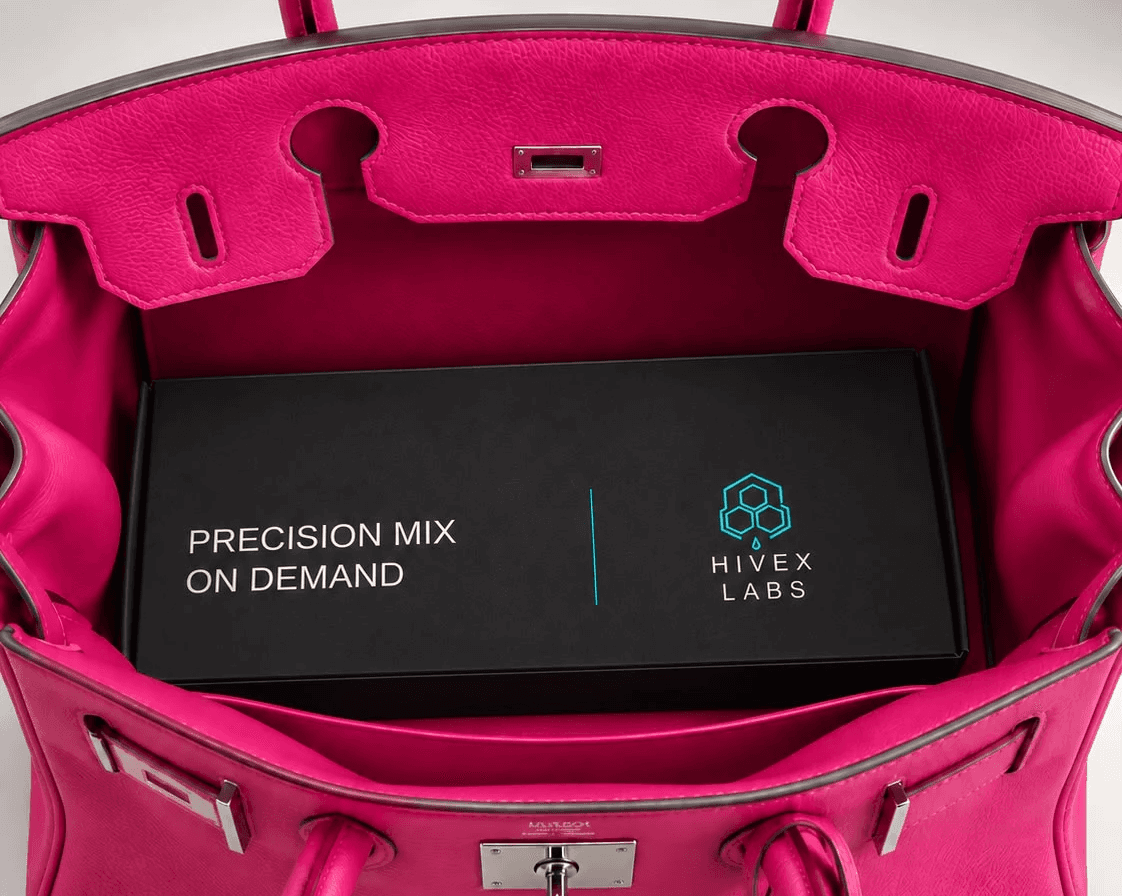
Once a peptide is produced at scale, the next question is: how much should it cost? And this is where the Hermès effect comes to mind. Imagine two bags made to the same design, using comparable leather, stitching and hardware. One leaves Paris with a luxury brand name, a waiting list and decades of marketing behind it. The other does not. The label changes the price dramatically. It does not magically change what leather is. China has exposed that uncomfortable gap between what something costs to manufacture and what the Western brand attached to it allows someone to charge. Yes, peptides are obviously more complicated than handbags. Purity, formulation and testing matter enormously, but the basic economic principle is familiar.
Retatrutide was developed by Eli Lilly, but its molecular sequence is no longer a secret locked inside an American laboratory. It is publicly described. Chinese companies have also published patent applications describing their own methods for synthesising it. So no great laboratory heist was necessarily required. A sufficiently capable peptide lab can look at a known molecule and work out how to make it. Call it reverse engineering, call it industrial efficiency, call it China doing what China has become extraordinarily good at doing. Either way, the curtain has been pulled back, and perhaps this is the genuinely disruptive part: consumers are beginning to see just how enormous the distance can be between the cost of producing a molecule and the eventual price of a branded medicine.
WHO BUYS FROM WHOM?
What has changed most, however, is who buys from whom. The old supply chain was relatively tidy: manufacturer → distributor → business → consumer. The internet has undermined it. That same trading ecosystem can now sell to businesses further down the line while simultaneously reaching past them towards the very consumers those businesses were hoping to serve. In other words: sell through the middle, then sell around it. The same market gets monetised twice.
The paradox is this: at home, China maintains one of the world’s most tightly controlled digital environments. Abroad, its businesses have become exceptionally good at exploiting the openness of online trade. Social media and direct-to-consumer commerce have put GLP-1 weight-loss drugs directly into the hands of Western buyers. What looks like a lucrative commercial opportunity, however, can have an unexpectedly useful consequence: it challenges an industry dominated by a small number of giant pharmaceutical companies and reveals a troubling contradiction. If the science exists, the active ingredient can be replicated at a fraction of the branded price and demand is obvious, why should access to this class of treatment still hinge on whether someone can afford hundreds of pounds a month?